

Weighing The Row’s Tote Bag next to Other Pared-Back Totes: A Breakdown
Few labels anchor the category of pared-back handbags more decisively than The Row, a category that minimalism has become on its own terms. Established by Mary-Kate and Ashley Olsen, the label forged its name on restraint: sharp silhouettes, dense leathers, and an almost architectural approach to shape. When customers look up the row tote bag or else browse the wider row bags selection, what they’re really after is one answer — is the elevated design cost justified by the price gulf between The Row and other low-key luxury tote bags on the market? This comparison breaks down what distinguishes The Row’s design philosophy from competitors active in the same restrained space, and where the payoff really becomes evident.
What Makes a The Row Tote Distinct
The Row’s tote shapes, such as designs from the Margaux family, are shaped around a handful of reliable principles: understated external hardware, a single dominant leather panel, and proportions that stay wearable across seasons instead of chasing trend cycles.
There’s no branding printed across the front, no logo hardware, not a trace of anything to indicate the price point except the construction itself. This is a purposeful choice that sets apart these handbags from the majority of the tote market, where a visible logo often does most of the persuading.
Leather selection ysl cream bag carries huge weight here. The Row typically works with denser, shape-holding leathers that keep their structure absent any internal framework or rigid inserts in several of its silhouettes, contributing to why the bags take on an aged, character-filled sheen as opposed to deteriorating with cracks or peeling. Stitching is typically minimal and precise, frequently leaving edges unfinished or treated so no visible topstitching appears. This is a hallmark of the row fashion philosophy broadly — paring back instead of piling on.
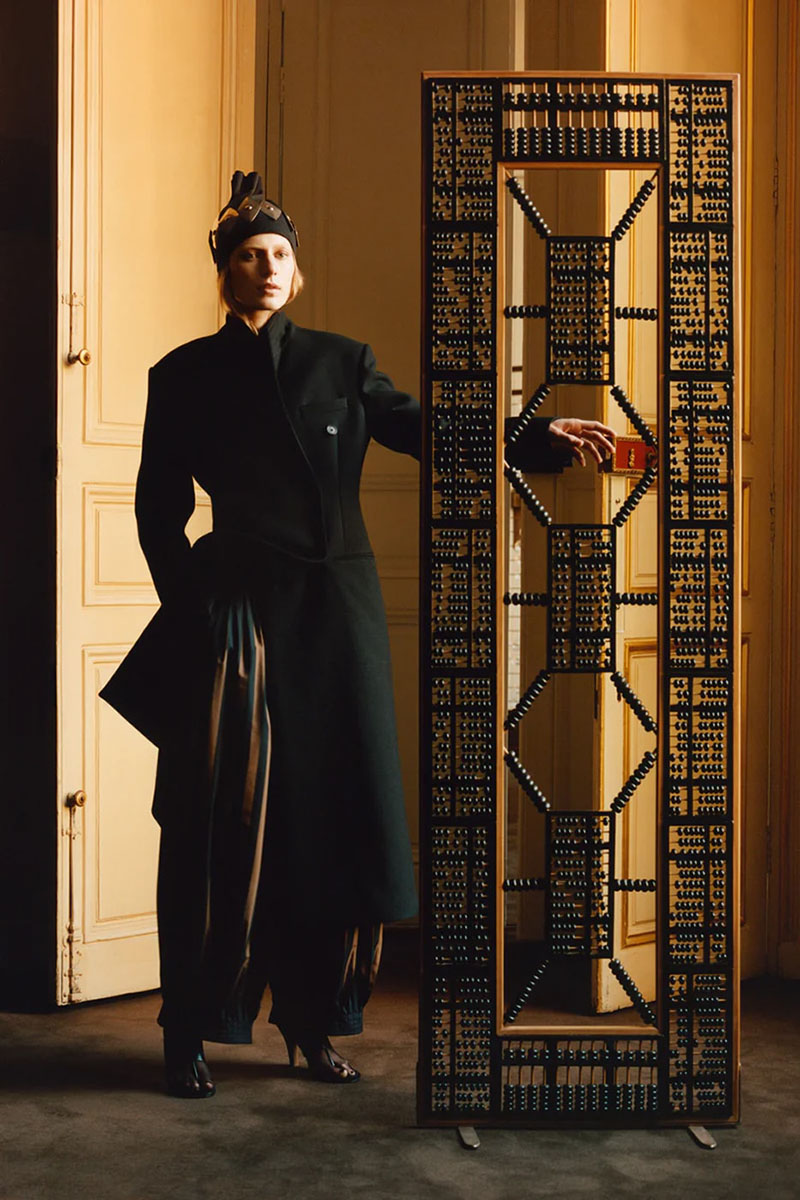
Dimensions across the row bags collection tends to run from petite top-handle versions to roomy totes that work as reliable daily companions. Handle length, base dimensions, and internal layout differ from style to style, so buyers evaluating the row bag lineup should verify exact measurements rather than taking sameness for granted across styles.
Breaking Down How Competing Minimalist Totes Hold Up
It’s not just The Row operating in this stripped-down tote arena. Toteme, Khaite, and COS have each developed their own minimalist bag lines that draw on that same design language — clean seaming, restrained tones, unmarked exteriors. Along three dimensions — leather weight, hardware finishing, and construction density — the distinction tends to become visible.
Softer, more pliable hides are what Toteme’s totes often choose for its leather totes, creating a casual silhouette that trades off structural integrity throughout years of use. Khaite’s approach leans closer to The Row in terms of structure and price positioning, with heavier leathers and equally subtle branding, positioning it as the closest direct competitor in the luxury-minimalist bracket. COS along with other mass-market labels provide the aesthetic at a fraction of the cost, but typically use lighter, less substantial hides that don’t age the same way and often show wear at the corners and base within one to two years of routine wear.
It would be wrong to read this as competitors being inferior — rather, it reflects differing manufacturing priorities are at play. A shopper who wants a relaxed, pliable carry-all with a lower price tag may favor Toteme. Someone who values firmness, resale worth, and lasting form tends to be drawn to The Row or Khaite.
Comparative Overview: The Row vs. Rival Minimalist Totes
| Maker | Standard Leather Thickness | Branding Visibility | Structure Durability | Price Bracket |
|---|---|---|---|---|
| The Row | Heavy, dense | None to minimal | Excellent | Highest-end |
| Khaite | Substantial | Subtle | High | Luxury |
| Toteme | Moderate, pliable | Minimal | Middling | Premium |
| COS | Light to medium | Little to no branding | Modest to moderate | Budget-friendly |
The Margaux Tote: The Row’s Most In-Demand Tote
Among all the row bags, the Margaux is reliably the most searched and most requested style, which explains why «where to buy the row margaux bag» is such a common query. It’s available in multiple sizes — the compact styles serve as everyday shoulder totes, while bigger versions manage laptop-and-notebook daily commutes with room to spare. Its top-open build, minimal hardware, and one-fold shape have made it something of a modern signature for the brand, occupying a similar cultural position to what the Birkin or Kelly represent for Hermès, albeit at a different scale of recognition.
If you’re trying to locate a Margaux, the most reliable sources are The Row’s own website and flagship stores, along with authorized luxury retailers that offer the full row handbags range. Consignment sites dedicated to authenticated luxury goods — those that check serial details and inspect hardware and stitching — are an alternative route worth considering, particularly for retired shades or sizes that have been fully depleted at retail. Buying through unauthorized third-party sellers or unclear marketplace listings carries real risk in this price category, so verifying authentication policies before purchase is not optional.
Because demand for the Margaux often outpaces stock, waitlists at flagship boutiques are common, and popular neutral colorways sell out fastest. Buyers determined to secure one should be prepared to monitor stock at several authorized retailers rather than relying on a single location.
Where Long-Term Payoff Surfaces As Years Pass
Cost comparisons across simple tote silhouettes don’t reveal the complete picture unless per-wear cost and resale worth enter the calculation. The Row’s totes, especially top row bags like the Margaux, have exhibited relatively strong resale retention versus many upscale contemporary labels, partly because manufacturing runs are more limited and partly because the aesthetic vocabulary doesn’t age the way branding-heavy bags can. That’s a worthwhile point to weigh for shoppers trying to decide whether to pay full price or hold out for a row sale.
Speaking of which, a row sale isn’t a frequent event — The Row intentionally restricts markdowns and seldom marks down core styles, which is part of why resale value remains strong. If markdowns do show up, they typically appear on last season’s colorways or limited-run seasonal collabs rather than the mainstay tote range. Shoppers hoping to catch a Margaux or similar tote at a reduced price should monitor authorized retailer sample sales and season-end clearance sales rather than counting on frequent blanket promotions.
On the other hand, competitors like Toteme and COS run considerably more frequent promotional cycles, which influences both affordability and resale value. A discounted COS tote might offer strong upfront value, but it won’t hold resale value in the way that a well-maintained row bag typically does. This is the trade-off shoppers need to weigh: reduced initial cost versus lasting value retention.
Arriving at the Best Fit for Your Closet
Choosing between The Row and other minimalist totes is ultimately determined by its intended use and its expected lifespan. Someone wanting a multi-year investment piece with little upkeep and solid resale prospects will probably find the row bag category worth the extra cost. Someone wanting a revolving lineup of bags to keep up with shifting trends, without as much commitment to lasting use, may find greater value in mid-tier rival brands.
Care requirements vary as well. The Row’s heavier leathers generally tolerate everyday use more easily and require less frequent conditioning than the softer hides used by some competitors, though all leather totes gain from occasional conditioning and shielding against prolonged sun exposure. Inner linings differ depending on the style, so reviewing care instructions specific to the piece purchased remains important no matter the brand.
For 2026 buyers making their way through the saturated minimalist-tote landscape, the clearest distinctions come down to build weight, branding philosophy, and lasting value — not just surface-level silhouette similarities. The Row keeps setting the standard that rival minimalist-tote brands are judged by, and grasping these construction differences makes it simpler to determine where a buy truly belongs in a wardrobe built to last.
